
2026-08-19 · Carlos Mendoza
How Heavy Spring Rains Affect Homes Near the Brazos River in Rosenberg
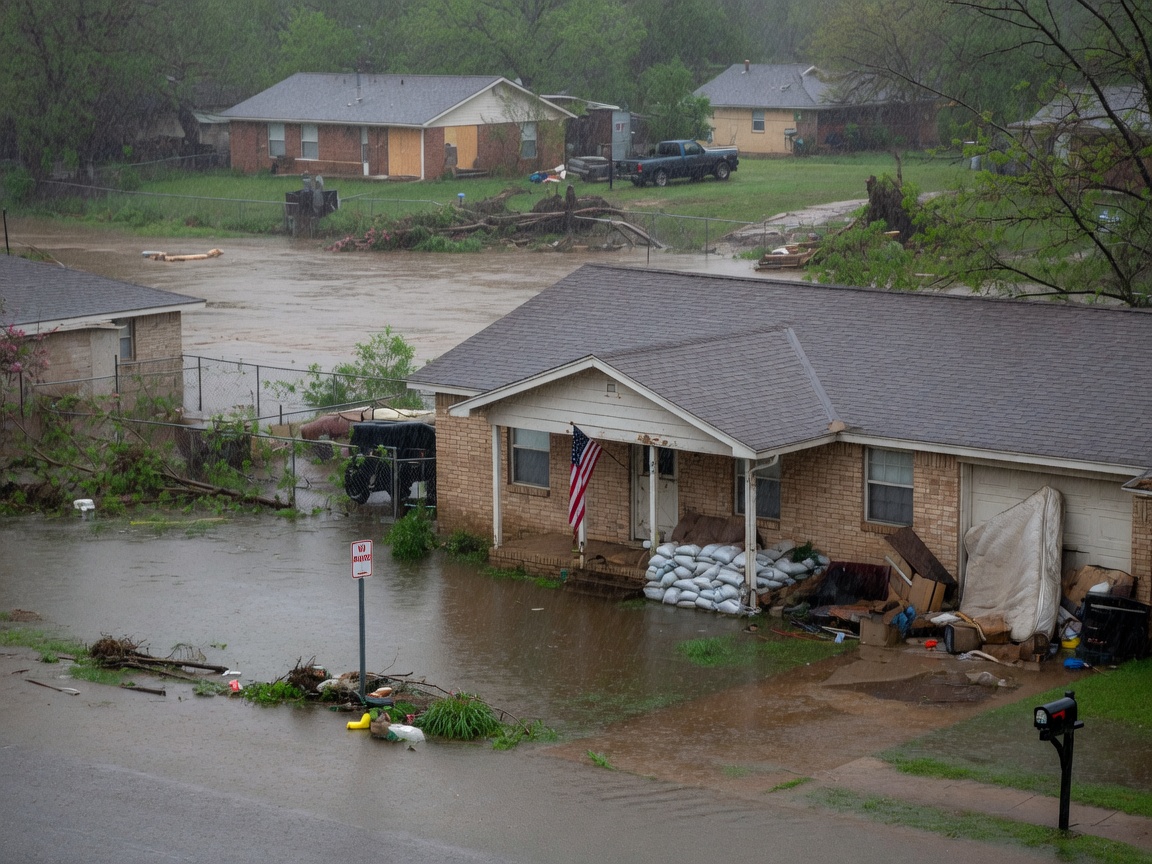
Heavy spring rains raise the Brazos River by several feet in weeks, sending water into yards and crawl spaces of homes in Downtown Rosenberg and Rosenberg Heights within a half-mile of the banks.
River Level Rise and Foundation Exposure
Spring storms drop 4–8 inches of rain over Fort Bend County in short bursts, and the Brazos River responds by climbing toward the 40-foot flood stage at the Rosenberg gauge. Homes built before 1980 in Rosenberg Heights often sit on pier-and-beam foundations with only 18 inches of clearance, so even modest overbank flow reaches sill plates. Saturated clay soils expand and push against stem walls, creating hairline cracks that allow seepage during the next storm. Properties closer to Brazos River Park see standing water remain for days because the flat terrain offers little natural drainage. Owners notice first-floor buckling when soil moisture lingers above 25 percent for more than a week.
Soil Saturation and Crawl-Space Moisture
Fort Bend County’s heavy clay holds water long after skies clear, turning crawl spaces under Rosenberg homes into humid chambers. When the water table rises within 24 inches of the surface, vapor moves upward through subfloors and condenses on ductwork. This pattern repeats every spring near the river because mild winters leave the ground already damp before rains arrive. Homes along the old railroad corridor in Downtown Rosenberg face extra risk because older storm drains were sized for smaller events. Persistent moisture softens particleboard subfloors and promotes musty odors that travel through HVAC returns.
Humidity Spikes and Secondary Damage
After the river crests, relative humidity inside Rosenberg homes often stays above 70 percent for 10–14 days even with windows open. The combination of warm spring temperatures and standing water outside drives moisture through brick veneer and into wall cavities. In Rosenberg Heights, single-story ranches with slab-on-grade construction show efflorescence on baseboards within five days of river rise. Without rapid drying, drywall paper begins to delaminate and paint blisters appear along exterior walls facing the Brazos. Structural Drying & Dehumidification crews use low-grain refrigerant units to pull moisture below 12 percent in affected cavities before mold colonies establish.
When to Call for Water Damage Restoration
If river water reaches the first finished floor or if indoor humidity remains elevated after three days of dehumidification, professional Water Damage Restoration becomes necessary. Technicians map moisture with meters, remove saturated insulation, and set containment to prevent cross-contamination to unaffected rooms. In Fort Bend County, spring events often involve both river water and municipal runoff, so Flood Damage Cleanup protocols include antimicrobial rinses on concrete slabs. Homeowners in Sugar Land and Richmond who experienced the same storms report that prompt extraction within 48 hours limits secondary mold growth to less than 10 percent of affected square footage. Cost Factors for Water Damage Restoration in Fort Bend County Homes outlines typical line items such as equipment runtime and material disposal that appear after Brazos River events.
Protecting Homes Year After Year
Clearing debris from French drains before spring and extending downspouts at least 6 feet from foundations reduces the volume of water that reaches crawl spaces. In Downtown Rosenberg, where lots slope toward the river, installing battery-backup sump pumps catches overflow when power fails during storms. Checking the condition of vapor barriers under homes built near the Fort Bend Museum area prevents ground moisture from evaporating into living spaces. When water does enter, documenting the water line on walls with photos helps insurance adjusters separate river flooding from roof or plumbing claims.