
2026-08-19 · Carlos Mendoza
Protecting Rosenberg Attics From Roof Leaks During Hurricane Season
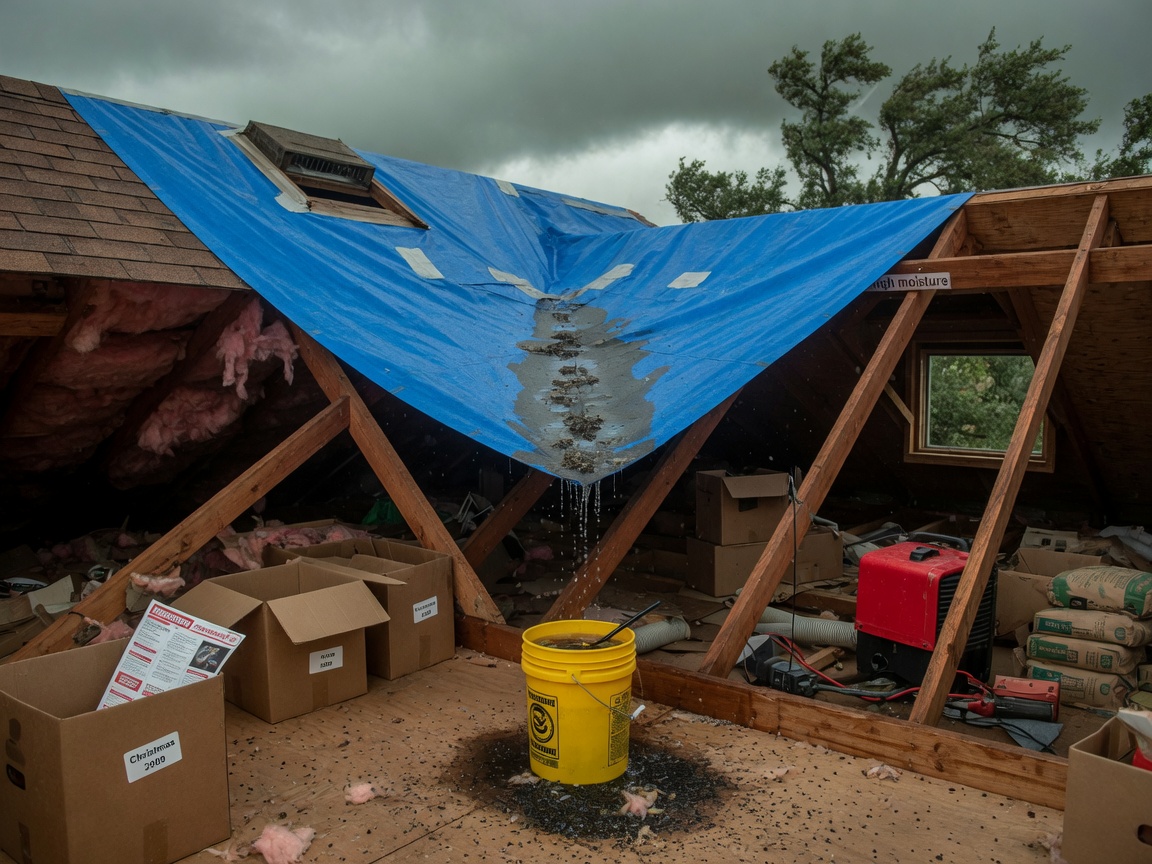
Regular pre-season roof checks combined with attic ventilation upgrades stop most hurricane-driven leaks from reaching Rosenberg attics. Fort Bend County homes built before 1990 often have asphalt shingles rated for 15-20 years that degrade faster under repeated 60-plus mph wind gusts and 8-12 inches of rain in a single event.
Pre-Season Roof Inspections in Rosenberg
Walk the roof in spring before June 1 and again in late August. Look for missing shingles, lifted flashing around chimneys, and cracked sealant on pipe boots. In Rosenberg Heights, many two-story homes have steep pitches that funnel wind-driven rain under ridge vents. Check the attic for daylight spots or dark stains on rafters after any storm. Homeowners in Downtown Rosenberg should also examine the metal flashing where the roof meets brick chimneys common on 1960s builds. These checks take under two hours and reveal issues before a named storm arrives. If you spot active leaks, contact a restoration team immediately rather than waiting for interior drywall damage.
Attic Ventilation and Moisture Barriers
Proper airflow keeps attic temperatures within 10-15 degrees of outside air even during 95-degree humid days. Rosenberg homes with ridge vents blocked by insulation or missing soffit intake often trap moisture after hurricanes. Add or clear 1 square foot of vent per 150 square feet of attic floor space. In clay-heavy Fort Bend soil areas, humidity stays high longer, so install a continuous ridge vent with a 1-inch gap and mesh to block debris. Place baffles between rafters to maintain airflow channels. These changes reduce condensation on roof sheathing that can lead to rot within 3-5 years if ignored.
Immediate Steps After a Hurricane Leak
Once water enters, move stored items and cut power to affected circuits. Document every stain with photos before any drying begins. Small leaks under 5 square feet often dry with fans and dehumidifiers in 48-72 hours when caught early. Larger attic saturation in Rosenberg Heights homes requires professional extraction to prevent mold on insulation. Link to storm damage services when the volume exceeds what household equipment handles. Avoid sealing the roof from inside until exterior repairs finish, or trapped moisture will migrate to ceilings.
Connecting to Broader Fort Bend Water Issues
Roof leaks during hurricanes share drying challenges with other Fort Bend County water events. Clay soil slows ground drainage, so exterior water can back up against foundations and push moisture upward. Review cost factors for water damage restoration in Fort Bend County homes to understand equipment run times and material replacement ranges. Readers dealing with repeated attic moisture should also examine crawlspace drying steps used on Rosenberg clay soil, since similar humidity control principles apply overhead. These connections help homeowners plan comprehensive protection rather than treating the attic in isolation.